Cracking the Code: How Dice and Plinko Work (and Why They're So Addictive)
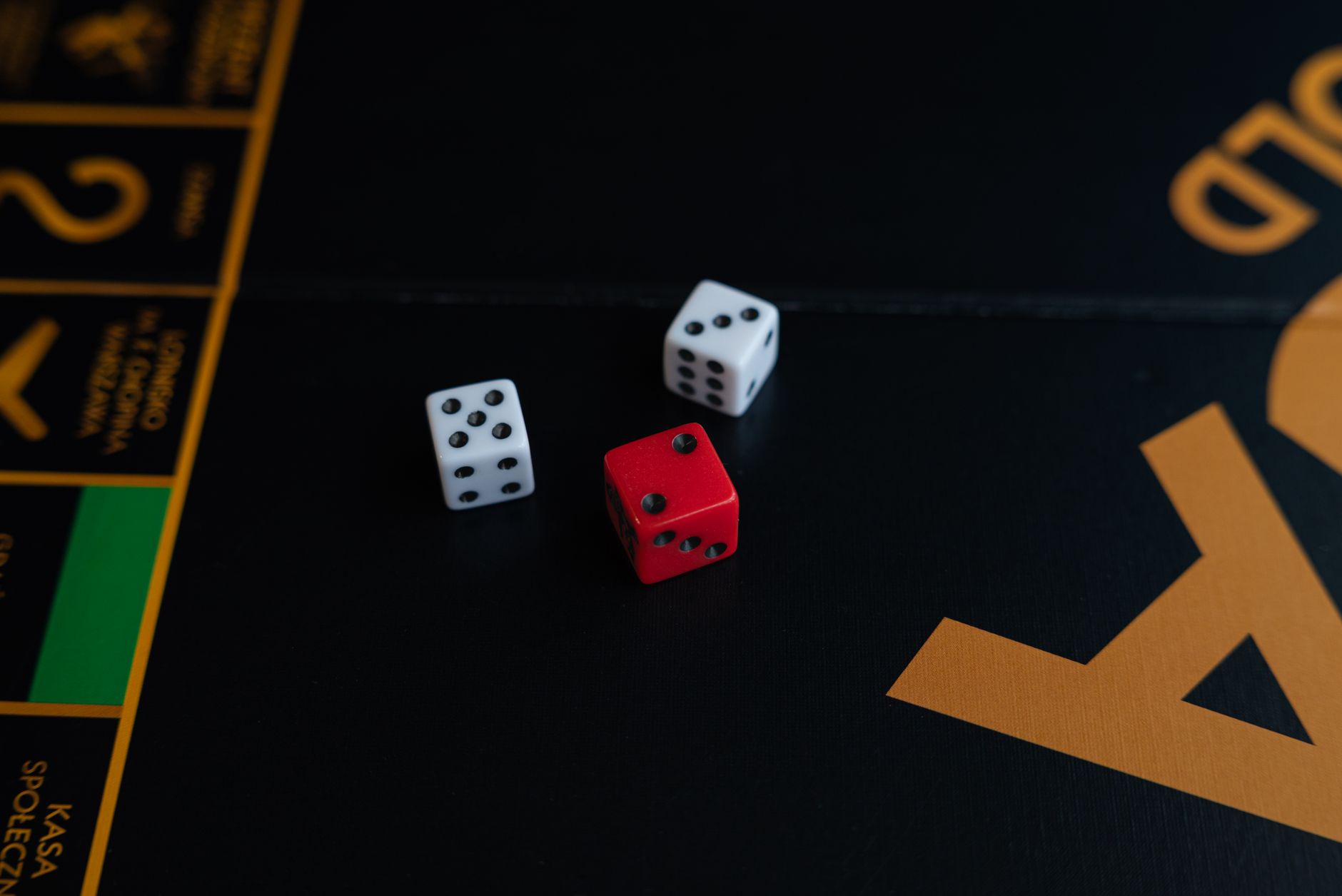
At their core, games like Dice and Plinko leverage fundamental principles of probability and chance, which are surprisingly straightforward yet incredibly compelling. Dice, for instance, operates on a user-defined payout multiplier and a target number. Players bet on whether a randomly generated number will fall above or below their chosen target. The lower the probability of hitting your target (e.g., trying to roll a very high or very low number), the higher the potential payout. This immediate feedback loop, coupled with the ability to adjust risk-reward parameters, creates a powerful sense of control—even though the underlying outcome remains purely random. Plinko, on the other hand, relies on the mesmerizing descent of a chip through a pegged board, its final resting place determined by a series of seemingly random bounces. Both games offer a transparent display of probabilities and outcomes, fostering a sense of fairness and engagement.
The addictive nature of these games stems from a combination of psychological triggers. Firstly, the intermittent reinforcement schedule is a key factor. Unlike games where rewards are guaranteed, Dice and Plinko offer unpredictable wins, which neuroscientifically have been shown to be more stimulating and habit-forming than consistent rewards. This unpredictability keeps players engaged and hopeful for the next big win. Secondly, the simplicity of their mechanics ensures a low barrier to entry, allowing anyone to grasp the rules almost instantly. Furthermore, the visual feedback—the rolling dice, the bouncing Plinko chip, and the immediate display of wins or losses—provides constant stimulation. This combination of easy access, the thrill of uncertainty, and the powerful pull of intermittent rewards creates a highly engaging and, for many, an undeniably addictive experience.
CryptoCasino.com is a pioneering online gaming platform that combines the thrill of traditional casino games with the security and anonymity of cryptocurrency. Players can enjoy a wide array of games, from slots to live dealer experiences, all while making transactions with various cryptocurrencies. This innovative approach offers a modern and secure way to gamble online, setting a new standard in the digital casino world.
Your First Crypto Bet: A Practical Guide to Playing Dice and Plinko Safely and Smartly
Diving into crypto gambling, especially with games like dice and Plinko, can be both exhilarating and daunting. The key to a positive experience lies in a foundational understanding of the game mechanics and, crucially, responsible betting practices. Before placing your first wager, take the time to research the platform's reputation and security measures. Opt for reputable, licensed casinos that offer transparent odds and provably fair systems. Familiarize yourself with the specific rules of each game; for instance, understanding how to adjust multipliers in dice or the different risk levels in Plinko can significantly impact your potential outcomes. Never chase losses, and always set a budget that you are comfortable losing. Remember, these games are designed for entertainment, and while wins are exciting, they are never guaranteed.
Smart play isn't just about understanding the game; it's about mastering your own psychology and implementing strategic bankroll management. Start with smaller bets to get a feel for the game's volatility and your chosen platform's interface. Many sites offer demo modes, which are invaluable for practicing strategies without risking real funds. Consider using a stop-loss limit for each session – a predetermined amount you won't exceed in losses – and stick to it religiously. Equally important is a take-profit limit; if you reach a certain level of winnings, consider cashing out or significantly reducing your bet size. Diverse your entertainment; don't solely rely on gambling for fun. A balanced approach ensures that your first crypto bet is an informed, enjoyable, and ultimately safer venture into the world of decentralized gaming.